Downtown density, zoning and comp plan consultants debated by residents, Williamsburg planners
Debate heating up as city prepares to embark on multi-year Comprehensive Plan process

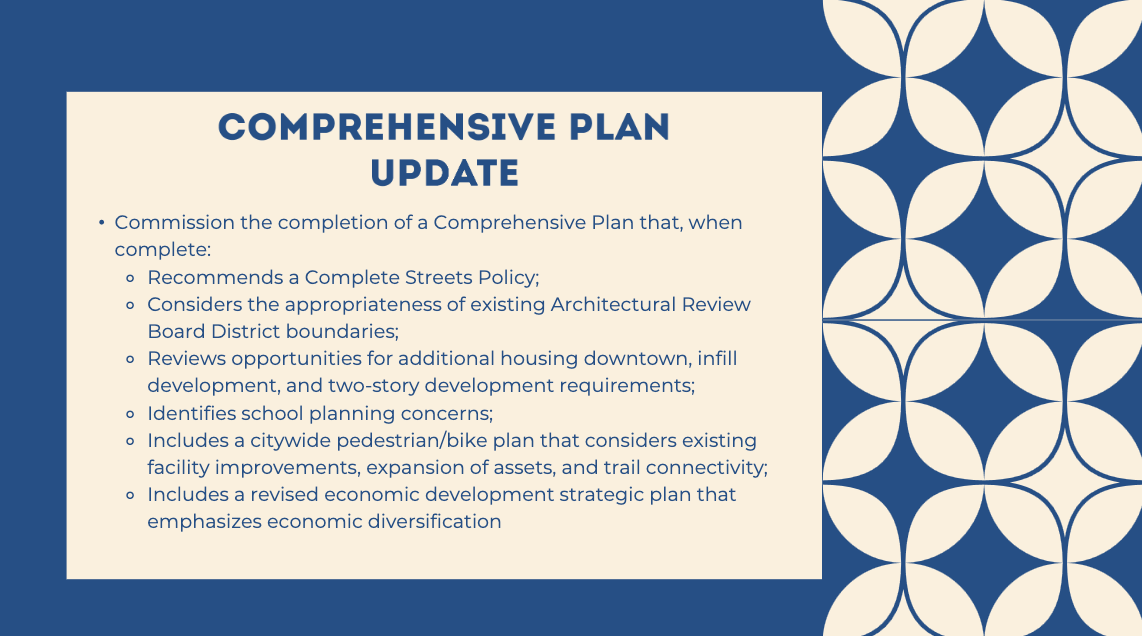
At the April 15, 2026, Planning Commission meeting, officials addressed mounting public questions regarding the city’s upcoming Comprehensive Plan update. The session centered on how the city will manage growth over the next two decades, specifically discussing considerations over high-density development, the possibility that the city may use incremental review for zoning approvals, and the $600,000 price tag for an outside consultant.
Density and incremental zoning
Williamsburg Planning and Codes Compliance Director Tevya Griffin characterized the Comprehensive Plan as a long-term “foundational guide” for the city’s development. While the full planning process is expected to span 18 to 24 months, she noted that the city could potentially use incremental review to address immediate development needs in specific districts, mentioning both downtown and the Capitol Landing Road corridor.
The meeting also provided an opportunity to address questions regarding potential zoning changes; Griffin noted that the city is not yet proposing a universal four-story height limit. Instead, she explained that density and height are designated “study areas” within the consultant’s contract, meaning the firm is tasked with gathering public feedback before any determinations are made.
“The comprehensive plan is true it is a plan that is looked at often in entirety there are instances if you have small area plans,” Griffin said while responding to resident concerns that piecemeal approvals might lead to unintended results. “So for example, if we wanted to just look at downtown, if we wanted just to look at the Capitol area road section, we could do that, and could approve that small area at one time and instead of waiting until the end of the comprehensive plan.”
Smaller plans would still undergo the same vetting process before moving to City Council for a final vote, according to Griffin. “The comprehensive plan is set to be 18 to 20 to 24 months … and if you wanted to approve a small area plan before the end of the two years you could do. So and that’s what we mean by incremental review and that incremental review would go through the same process it would go through residents focus groups,” she said. “It would have to come to the planning commission to be reviewed and to be recommended approval of city council and then it would go to city council and that would be one portion of the plan which could be a small area plan,” she added.
$600,000 consultant debate
Another point of contention between some residents and city leadership was the decision to hire an outside consultant at a cost of $600,000. During public comments, it was noted that the city’s own planning staff had successfully guided comprehensive plans in the past and could potentially do so again, particularly given current fiscal pressures. Other comments suggested the consultant was perhaps being brought in to help guide the process toward outcomes favored by certain council members.
Director Griffin explained the use of consultants to assist the planning effort, asserting that the city faces significant new challenges, including post-COVID economic shifts, affordable housing discussions, and complex density questions, that warranted bringing in an outside facilitator. During her update on the selection process, Director Griffin noted that while the city initially received 14 proposals in January 2026 (12 of which met procurement requirements), only four finalists advanced to the final interview stage in late March.
Griffin also noted that the consultant’s role is to facilitate, not direct, as under State code, the Planning Commission retains full authority over the process. Planning Commission Chair John Tarley expressed his belief that the consultant will help guide the dialogue among stakeholders rather than taking the place of those actual discussions.
Consultant selection and public input
Several residents shared concerns regarding the visibility of the consultant selection process, drawing comparisons to a previous library planning process. Addressing the suggestion that the consultant selection might result in a predetermined outcome, 1st Vice-Chair Erica Bowe stated that the process was structured and governed by a clear grading rubric. She noted that the committee remained inclusive of citizen representatives throughout the selection. Regarding the makeup of the interviews, Director Griffin read the titles of the 17 member panel into the record to confirm that resident participation was integrated into the process. Although three local residents served on the panel, they were positioned alongside 14 other representatives from city government and institutional partners. This majority included ten city officials from five distinct departments plus four delegates from organizations like the Colonial Williamsburg Foundation and William and Mary.
The plans for community input prioritize accessible public engagement, with the newly hired consultant acting as a professional facilitator to guide the conversation rather than dictate the outcomes. Drawing from the city’s Request for Proposals (RFP) guidelines and the April 15 meeting, the input strategy includes:
Diverse Meeting Formats: The consultant will organize various gatherings, specifically using open houses and small group meetings.
Steering Committee: A committee of appointed community members will represent various stakeholder groups throughout Williamsburg.
Neighborhood Events: The city favors inclusive, festival-like evening events directly in neighborhoods. These are intended to feature food and child-friendly games to remove barriers to participation for underrepresented groups.
Interactive Online Platform: The consultant will manage a branded engagement platform. A key requirement is tracking participant residency to understand the perspectives of full-time residents, commuters, and tourists.
Addressing Contentious Issues: A primary goal is to gather collective opinion on debated topics, such as building heights and residential density.
Oversight: The Planning Commission will continue to steer the ship by holding ongoing public work sessions and reviewing all drafted materials.
The City Council is scheduled to vote on the top consultant in May 2026, with a contract signing expected for the summer. If the timeline holds, the Comprehensive Plan update is anticipated to officially begin in late summer or early fall of 2026.
The writer used AI tools and these sources:
AGENDA City of Williamsburg Planning Commission Wednesday, April 15, 2026
Video City of Williamsburg Planning Commission Wednesday, April 15, 2026
Other ways to support the Williamsburg Independent:
Buy me a coffee: ko-fi.com/williamsburgindependent
Tip on PayPal: paypal.com/ncp/payment/2L8DQJ62CWGRS
Go shopping: etsy.com/shop/dogstreetpress
Read a book: bookshop.org/shop/independentbookshop
Facebook: facebook.com/williamsburgindependent
Twitter: x.com/WburgIndie